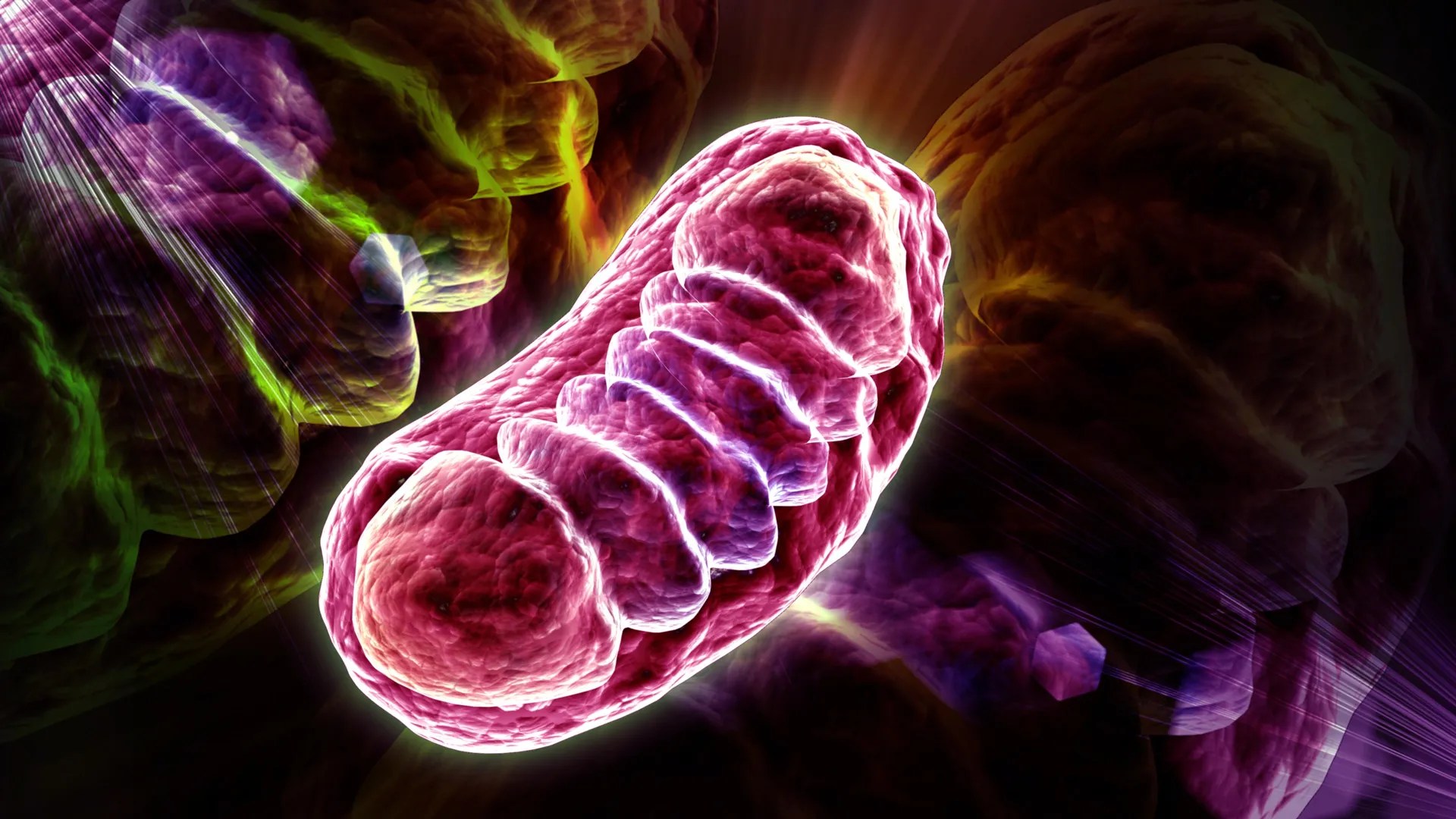
Researchers at the University of Cologne have found that the amino acid leucine does more than build muscle tissue. By interacting with the cellular quality control protein SEL1L, leucine prevents the degradation of outer mitochondrial membrane proteins. This stabilization allows mitochondria to ramp up energy production when nutrients are abundant.
This mechanism reveals a direct signaling role for a common dietary amino acid in cellular metabolism. However, tinkering with protein degradation pathways carries trade-offs, as the same machinery is required to clear out damaged proteins. Researchers note that altering these pathways to boost energy could have unintended consequences for long-term cellular health.
more: https://www.sciencedaily.com/releases/2026/10/261001095319.htm


Leave a comment